Have you ever wondered how goods travel across the globe? When it comes to supply chain logistics, businesses (freight forwarders and shippers) can choose many different transportation options like ocean freight, air freight or trucking. 

Choosing which option often depends on the size of the shipment, the delivery speed and pricing. Air freight is a popular option for many shippers when it comes to speed of transportation so let’s take a look at the process. 


What is the process of sending goods via air freight?

From the moment a shipment is ready to its safe arrival at its destination, a series of steps ensures the process runs smoothly. Let’s take a step-by-step look into what goes into an air cargo booking.

Step 1: Determining What Can Fly

Before booking air cargo space, it’s crucial to understand what items can fly on certain types of aircrafts. There are some items that have restrictions for air transport for safety, security, or regulatory reasons. 

These could include: Explosives, flammable liquids, corrosive substances, and radioactive materials, or hazardous chemicals have heavy restrictions and usually are flown on a freighter.

Popular Types of Cargo Transported by Air

  • Electronics: Due to their time-sensitive nature, high-value electronics such as smartphones, laptops, and tablets are often transported via air freight.
  • Pharmaceuticals: Temperature-sensitive pharmaceuticals and medical supplies benefit from the fast transit times offered by air freight.
  • Fresh Produce: Perishable items in grocery store aisles, such as fruits, vegetables, and flowers, are commonly shipped via air freight to ensure freshness and extend shelf life.
  • Fashion and Apparel: Apparel companies often utilize air freight to meet tight production deadlines and deliver new collections to markets worldwide.
  • Automotive Parts: Just-in-time manufacturing processes rely on air freight to quickly deliver critical automotive components to assembly plants.
  • Machinery and Equipment: Heavy machinery and equipment, including aerospace components and industrial machinery, are transported via air freight to minimize downtime and meet project deadlines.

Step 2: Finding the Right Flights

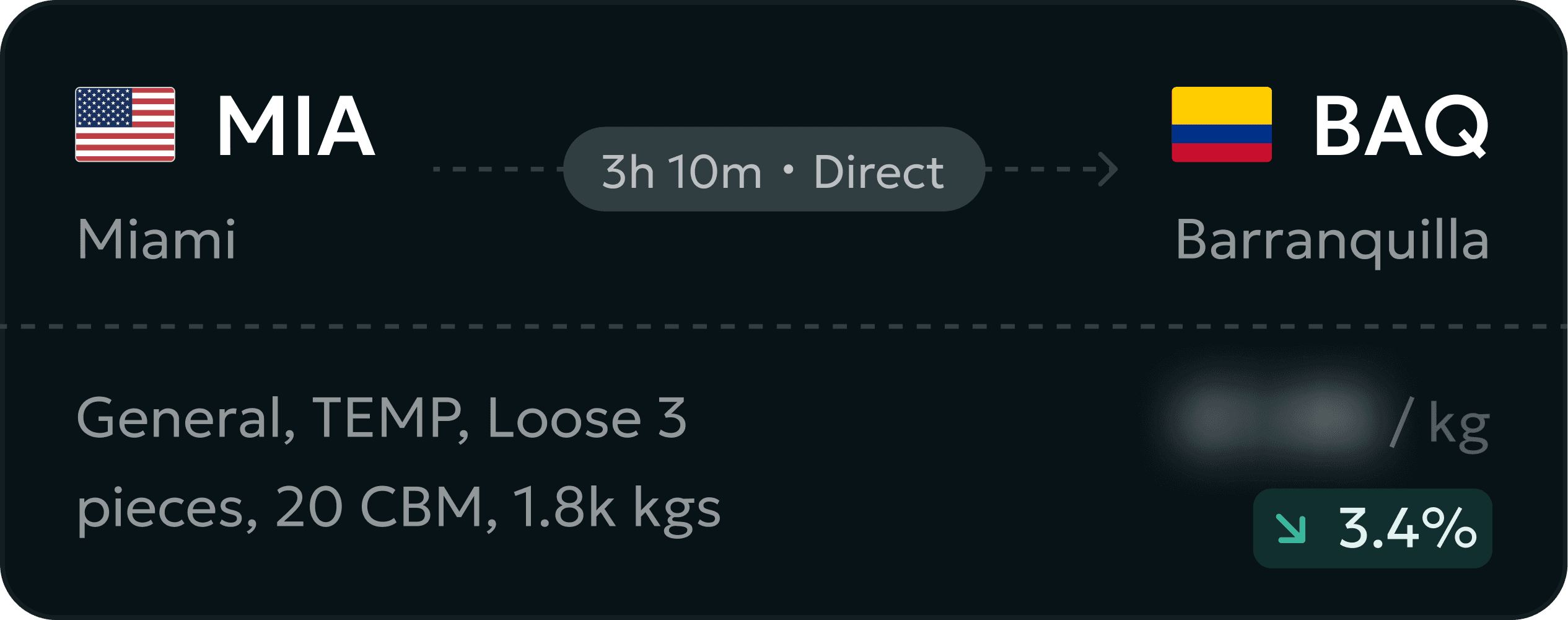
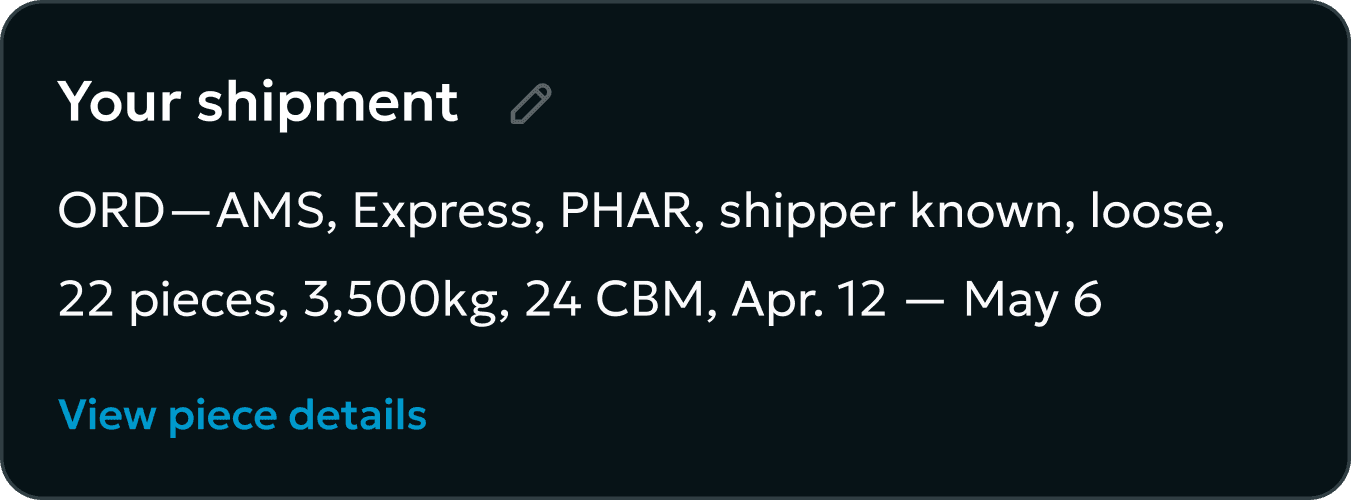
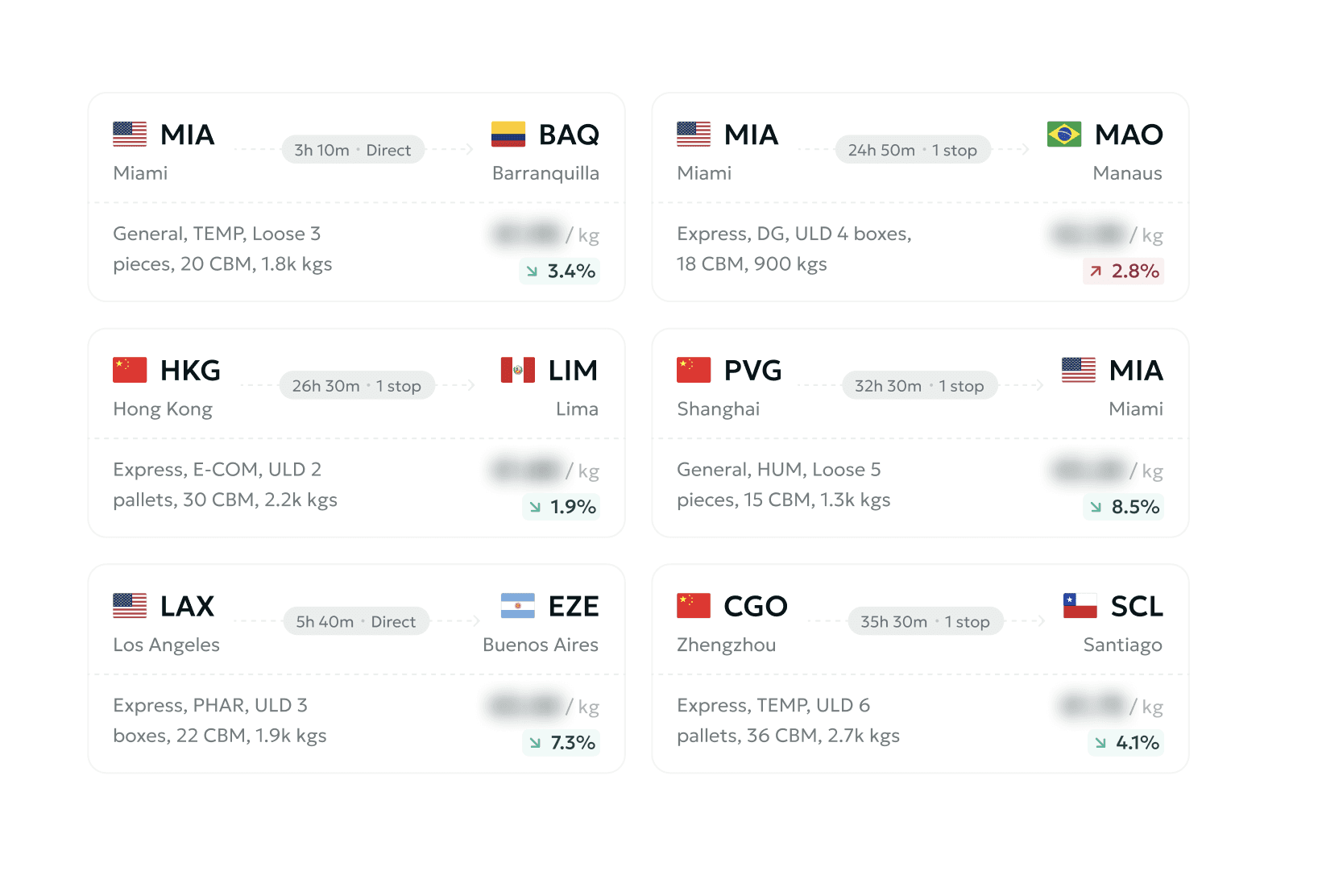
Once you’ve determined what to ship, the next step is finding the right flights. Most freight forwarders have started using digital platforms to search for capacity. You’ll need the shipment details, including origin, destination, and preferred departure dates. Depending on your cargo’s size, urgency, and destination, you can select from various types of aircraft to meet your needs.

Types of Airplanes Used for Air Cargo

  • Passenger Aircraft: Did you know almost every passenger plane carries cargo underneath its belly?

    Many airlines maximize the remaining space in a passenger aircraft for air cargo transportation, especially for smaller shipments or those requiring expedited delivery. These aircraft have designated cargo holds where goods are securely stored alongside passengers’ luggage.
  • Freighter Aircraft: Dedicated freighter aircraft are designed specifically for cargo transportation. They offer larger cargo capacities and can accommodate oversized or specialized shipments, like the restricted materials we discussed earlier which cannot be flown on a passenger aircraft. Freighter aircraft include narrow-body freighters, wide-body freighters, and specialized cargo planes for transporting heavy or oversized goods.
  • Charter Flights: Chartering a flight may be the best option for businesses with unique or time-sensitive shipping requirements. Charter flights provide flexibility in scheduling, route, and cargo handling, allowing companies to tailor the transportation process to their needs.

Step 3: Securing Cargo Space

How do you secure air cargo space?

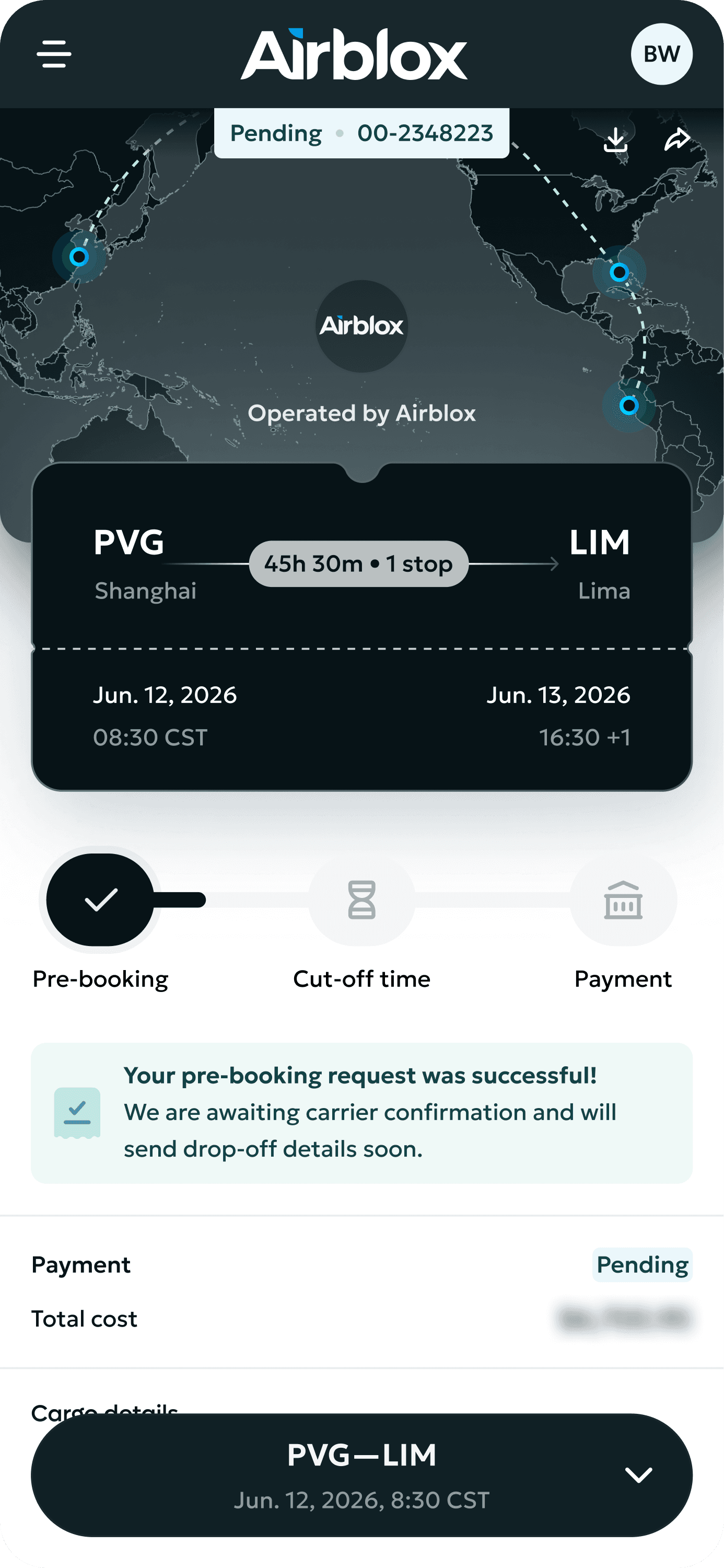
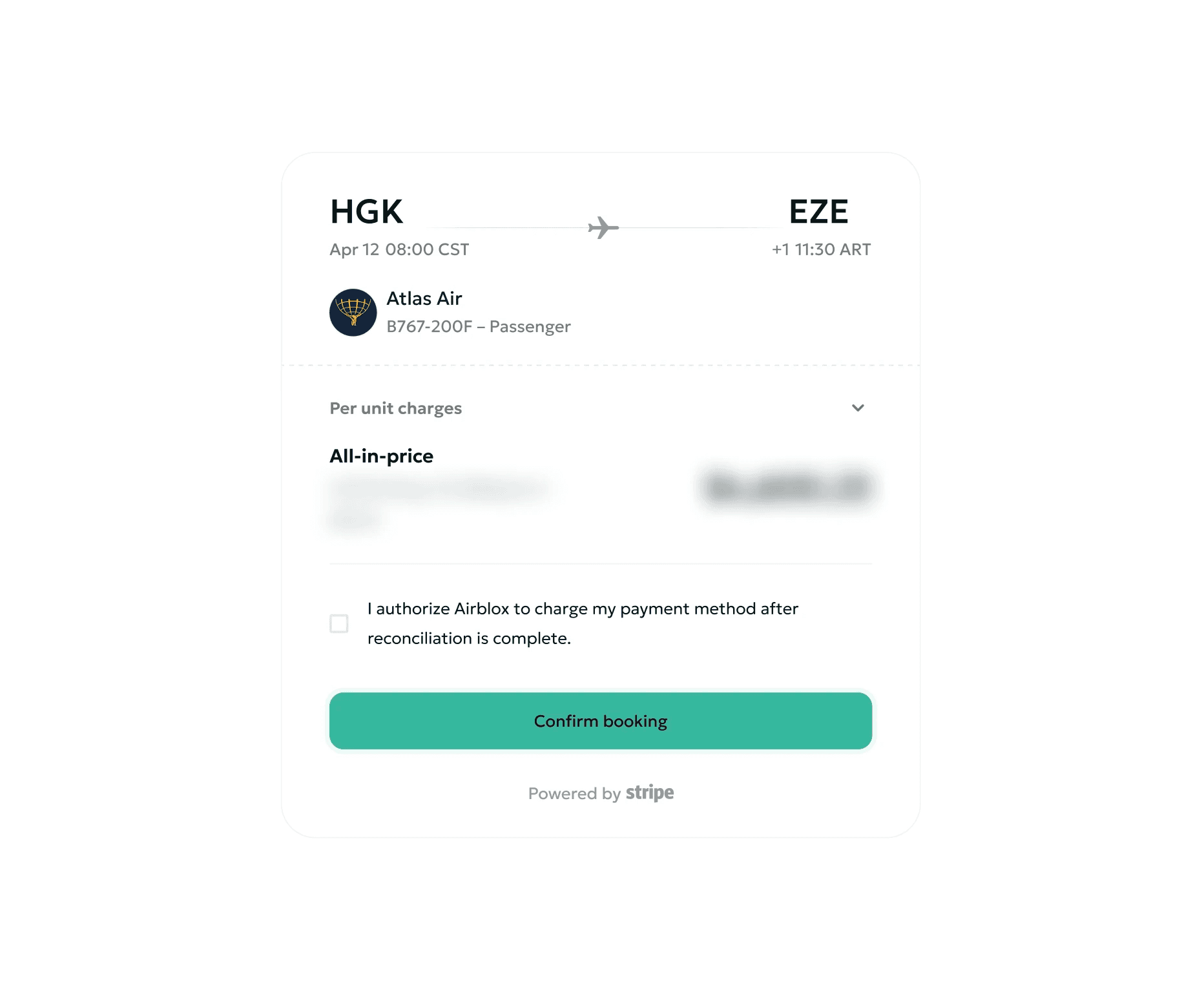
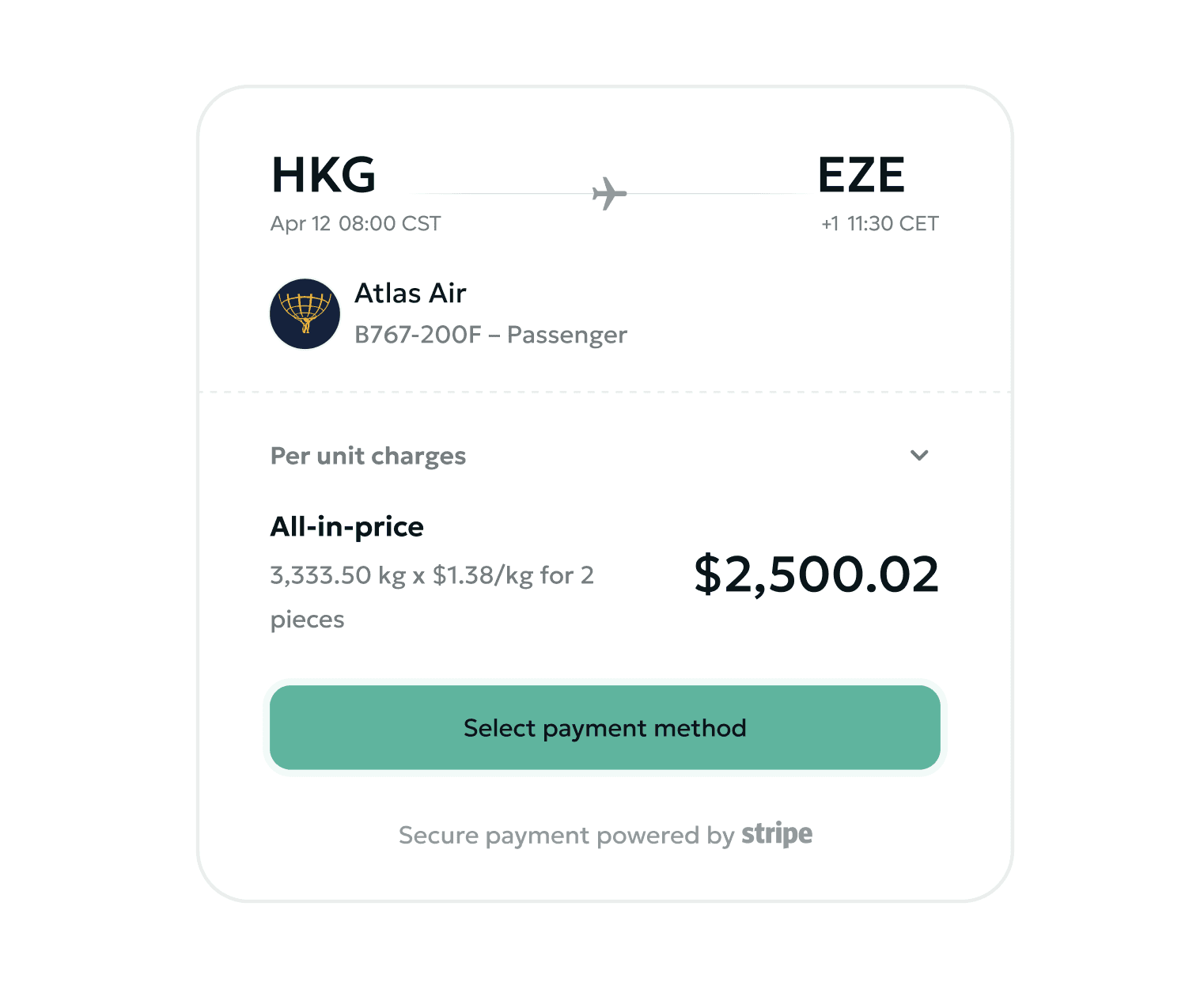
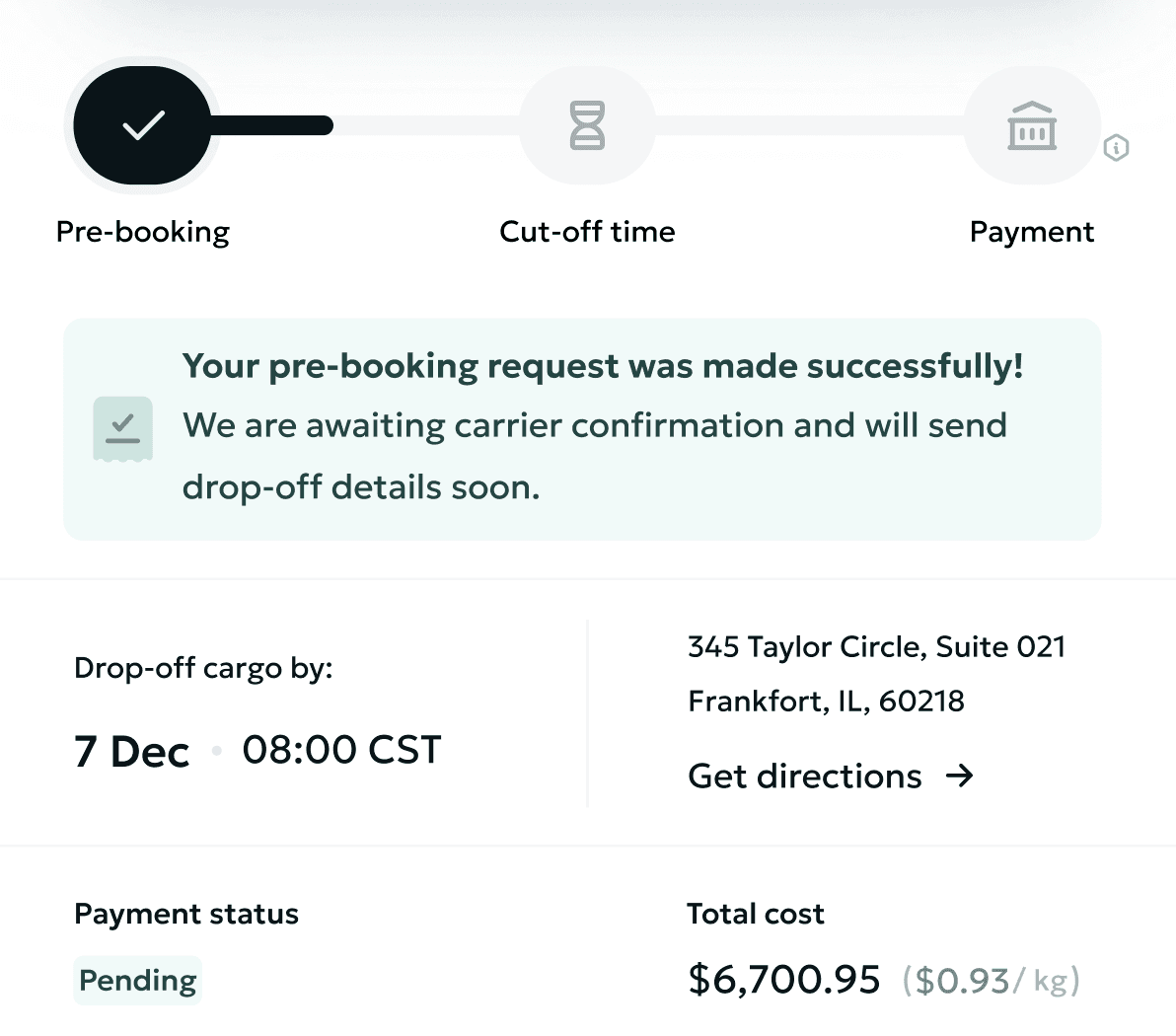
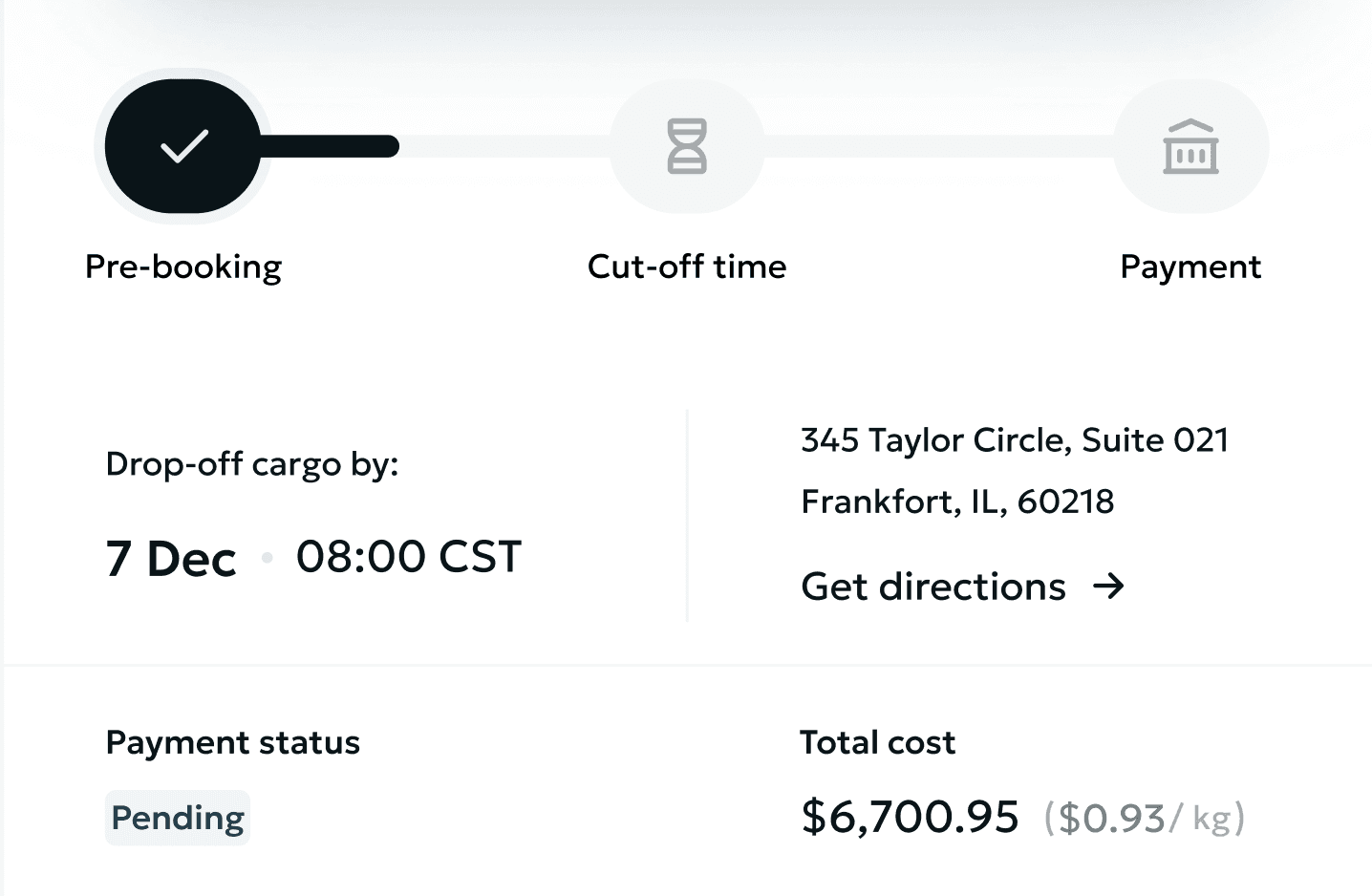
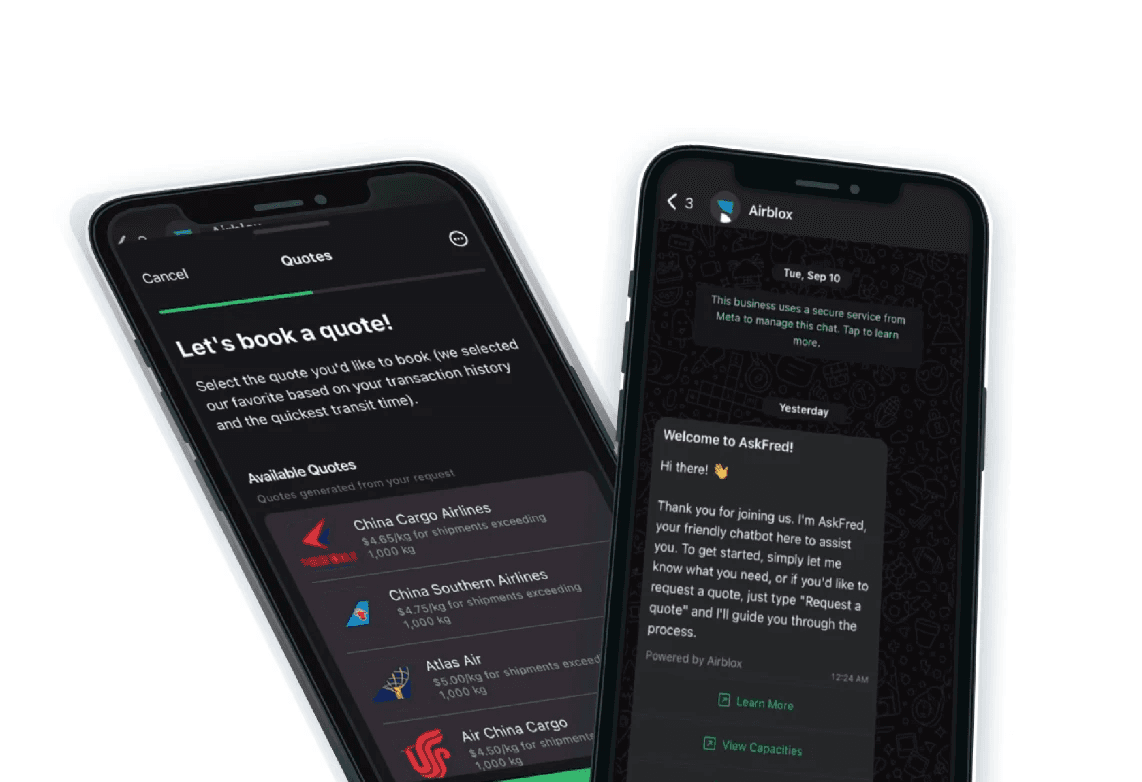
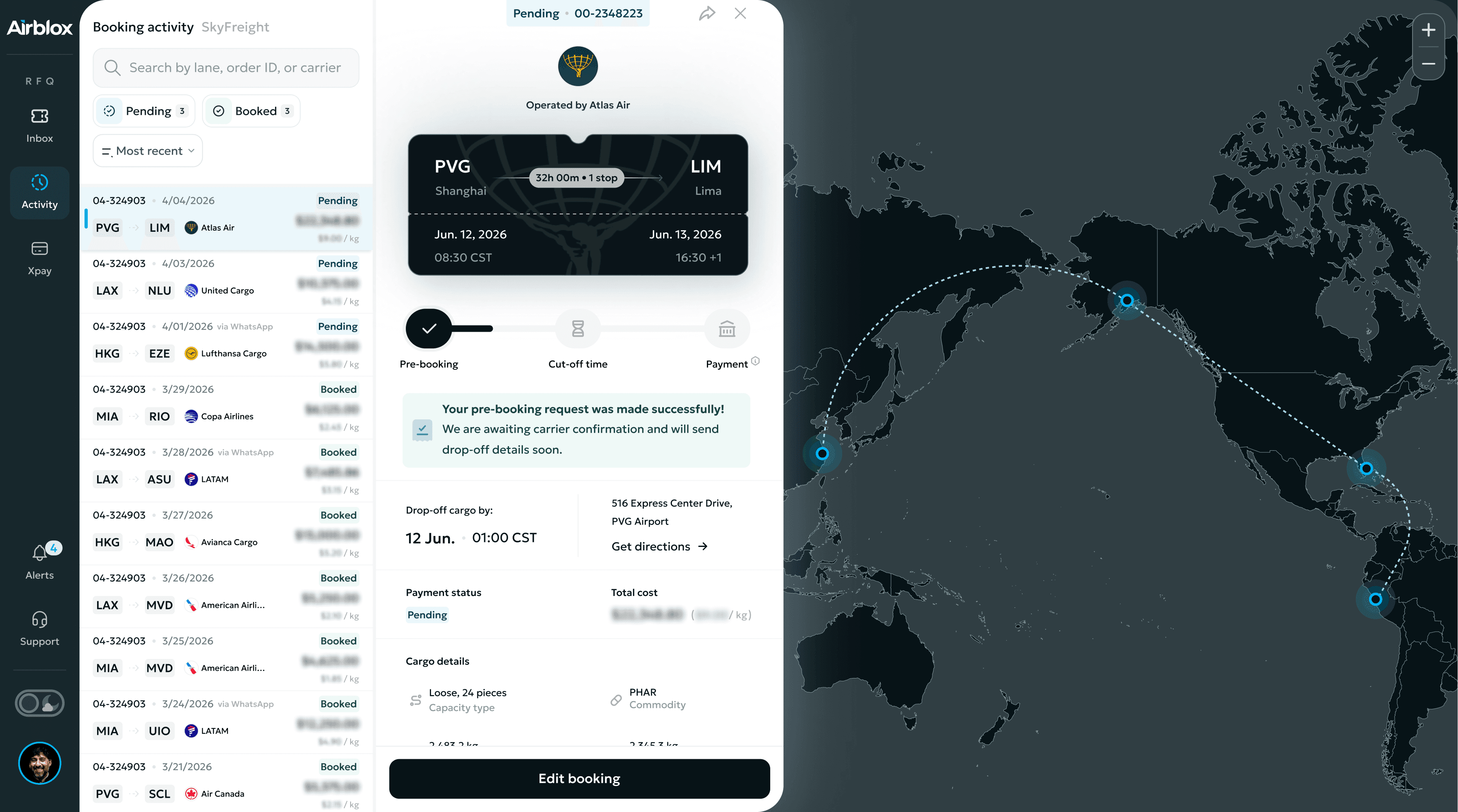
With flights and the type of plane you need to be identified, it’s time to secure cargo space. The securing process is where Airblox truly shines. Our platform allows freight forwarders to connect directly with airlines and easily secure space for their shipments.

Whether you’re a freight forwarder or GSA, Airblox empowers buyers to negotiate rates and secure cargo space from one centralized platform.

Step 4: Paperwork and Documentation

No air cargo booking is complete without the necessary paperwork and documentation. Depending on the nature of your shipment and the countries involved, you may need to provide documents such as an Air Waybill (AWB), Commercial Invoice, Packing List, and Certificate of Origin. 


A few example documents to send cargo on a plane might include

  • Air Waybill (AWB): The AWB serves as a contract of carriage between the shipper and the carrier and contains crucial information about the shipment, including origin, destination, and contents.
  • Commercial Invoice: The commercial invoice details the goods being shipped, including their description, quantity, and value. It serves as a customs declaration and is essential for calculating duties and taxes. Every international shipment requires a commercial invoice. 
  • Bill of Lading (BOL): The bill of lading is a legal document issued by the carrier or its agent acknowledging receipt of the cargo for shipment. It serves as a contract of carriage, a receipt for the goods, and a title document. The BOL includes information such as the shipper, consignee, description of goods, and terms of shipment. It is required for international shipments and is essential for transferring ownership of the goods.

Step 5: Sending and Receiving Shipments

Once cargo space is secured and documentation is in order, it’s time to send and receive your shipments. While Airblox doesn’t offer built-in tracking functionality, you can easily track your air cargo shipment using the three-digit airline code and the eight-digit air waybill number provided by the carrier.

How do you track an air cargo shipment?

  • Airline Code: The International Air Transport Association (IATA) assigns each airline a unique two-digit alpha code and a three-digit code used for the Air Waybill (AWB). This code identifies the airline and is used in conjunction with the AWB number to track shipments. 

For example United Airlines Cargo number is UA 016

  • Air Waybill Number: The air waybill number is a unique identifier assigned to your shipment by the airline. It consists of eight digits and is used to track the movement of your cargo from origin to destination.
  • Tracking Tools: Once you have the airline code and air waybill number, you can use the carrier’s tracking tools or third-party tracking websites to monitor your shipment’s status in real time. 

Using Airblox To Access Air Freight Capacity

In conclusion, each shipment requires enormous planning and execution, with freight forwarders having to wear many hats. 

Airblox simplifies procurement with just a few clicks. From determining what can be flown to securing space, managing paperwork, and tracking shipments, Airblox can take the stress of securing air cargo space with carriers. 

We aim to empower logistics businesses to easily leverage air freight’s speed and efficiency with our free platform.

Sign up for a demo or create your free account today!

Discover more from Airblox

Subscribe now to keep reading and get access to the full archive.

Continue reading